
Stories can be told in many ways. Psychological research often brings to mind questionnaires, experiments, interviews, stats, labs, and researchers analysing data on computers.
Each of these plays a vital role in psychology. There are other ways to explore human experience too. Remember the last time someone asked you:
How are you doing?
Can you always provide a precise answer? Sometimes, words suffice. At times, they're not.
You may sense that something's off but find it hard to put into words. You may recall an image, place, object, or moment more vividly than the words that describe it.
You could say:
“I feel like I’m carrying a heavy burden.”
The weight isn't really there. But it’s a genuine feeling. This is a key idea in creative research within psychology. Creative research offers unique ways for people to share their experiences.
It could include drawing, photos, objects, timelines, maps, movement, collage, storytelling, poetry, or other creative activities. Creative research doesn't aim to replace traditional psychological research methods.
Can we offer people multiple ways to express themselves?

Analysing creative data
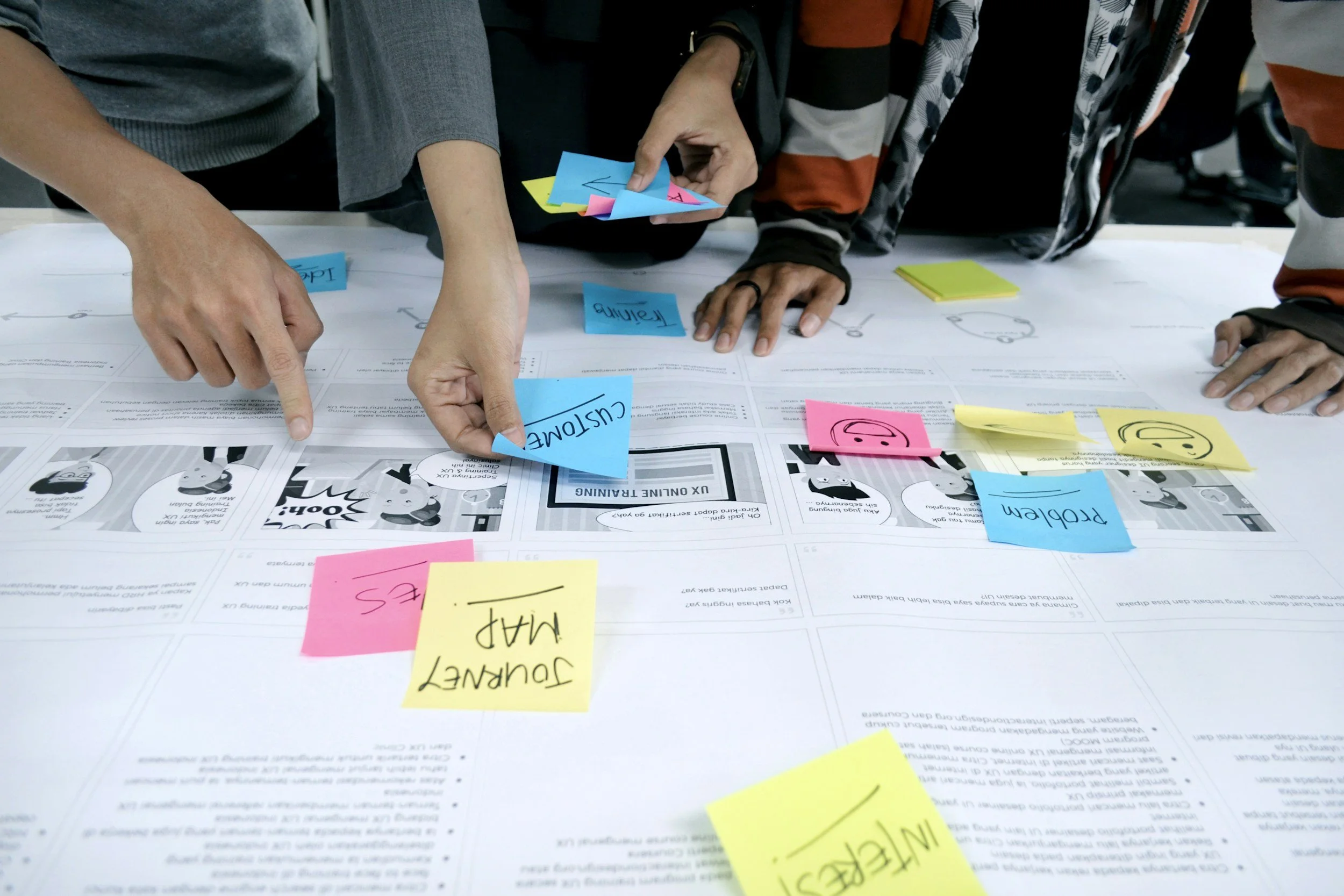
1 version of creative research
